Safe Maintenance in High Springs, FL: Battery Replacement, Bolt Work Lubrication, and Avoiding Lockouts
By Netta Kaiden · Mar 27, 2026 · 4 min read
A neglected safe can fail you at the worst possible moment. Dead batteries, stiff bolt work, and forgotten combinations are among the most common reasons people find themselves locked out of their own valuables. Whether you store documents, firearms, jewelry, or cash, a little routine care goes a long way toward keeping your safe reliable and ready when you need it.
How Often Should You Replace Your Safe’s Battery?
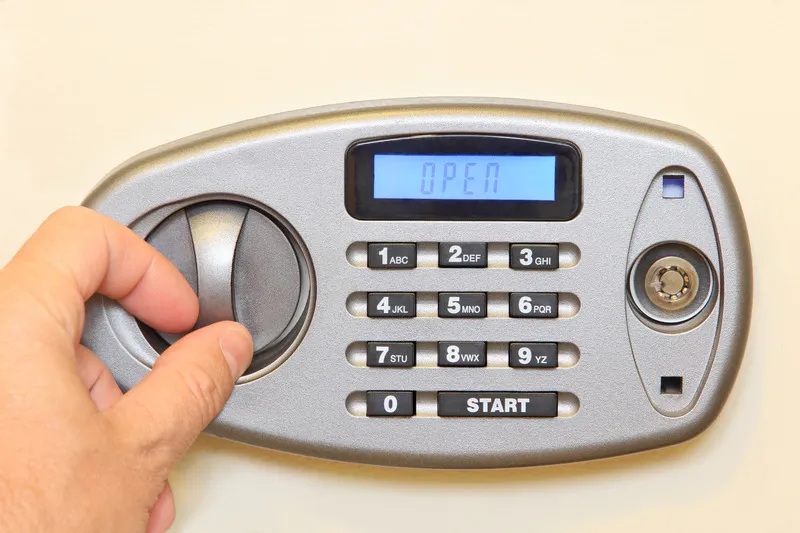
Most electronic safes run on standard alkaline batteries, and manufacturers generally recommend replacing them every 12 months regardless of how often the safe is used. Standby power draw slowly drains batteries even in low-use safes, and many owners only discover the problem when they need access in a hurry. Watch for these warning signs that a replacement is due:
- Keypad warning light flashing during use
- Slower or inconsistent beep tones when pressing buttons
- Delayed or unresponsive keypad input
- Safe failing to open despite entering the correct code
Always use fresh name-brand alkaline batteries. Rechargeable cells often deliver lower voltage than rated, which causes keypads to behave unpredictably. After swapping the battery, test the keypad several times before closing the safe. If it still behaves erratically, the issue may be with the keypad or internal wiring, and a professional should take a look.
What Does Bolt Work Lubrication Actually Do?
The bolt work is the internal mechanism that extends and retracts the locking bolts when you open or close your safe. Without periodic lubrication, bolts become stiff or slow to retract, putting stress on the motor or handle and increasing the risk of mechanical failure. Owners in High Springs who notice resistance when turning the handle or a grinding sensation during operation are often dealing with dried-out bolt work.
Use a dry PTFE-based spray rather than oil-based products. Oil attracts dust and debris, which builds up and worsens the problem over time. Apply the lubricant directly to the bolt shafts and the areas where they contact the bolt carrier, then cycle the handle several times to work it in evenly. For most residential safes, doing this once a year alongside your battery replacement keeps everything operating smoothly.
Common Causes of Safe Lockouts and How to Prevent Them
Most safe lockouts in High Springs, FL are predictable and avoidable. The leading causes include:
- Dead batteries in electronic safes
- Forgotten or recently changed combinations
- Keypad malfunctions from wear or moisture
- Dial misalignment from physical impact on combination safes
Store your combination or code somewhere secure outside the safe, such as with a trusted person or in a secure digital format. Always test a new code several times before closing the safe after any changes. If your electronic model has a key-override option, keep that key accessible and never store it inside the safe. Our safe locksmith services cover lockouts and combination resets if you ever need professional help regaining access.
Should You Anchor Your Safe to the Floor or Wall?
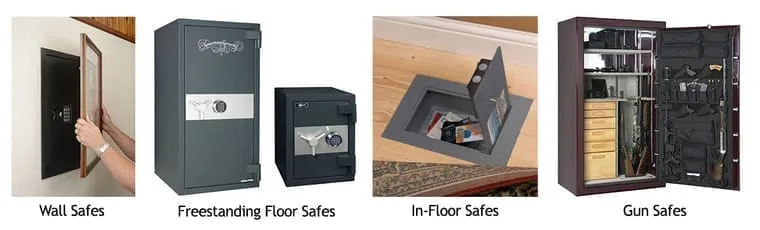
Anchoring prevents more than theft. A safe that shifts or tilts can cause the door to fall out of square with the frame, putting stress on the bolt work and making the door difficult to open or close properly. Most safes include pre-drilled anchor holes for this purpose. For High Springs homeowners with concrete floors, anchor bolts set into the slab provide the most stable foundation. For wood flooring, lag bolts into the floor joists are the next best option.
If your door has started to feel misaligned or you are unsure whether your safe is properly secured, we also handle home safe installation for clients who want their unit positioned and anchored correctly from the start.
When Safe Maintenance Becomes a Job for a Locksmith
Some issues go beyond what a homeowner should attempt on their own. If the electronic keypad has stopped responding entirely, if the handle spins without engaging the bolt work, or if the locking mechanism produces grinding or clicking sounds that were not present before, internal components may need repair or replacement. Forcing entry or disassembling the locking mechanism without proper tools can damage the safe door beyond repair or void the manufacturer warranty.
Our lock repair services extend to safe mechanisms, and our techs carry the tools needed to assess and service most residential and commercial safe models on-site. For business owners who need safe maintenance and broader security evaluated together, our commercial locksmith team can assess the full picture during a single visit.
Keeping Your Safe in Good Shape Year-Round
Safe maintenance in High Springs, FL does not require much time, but it does require consistency. Replace the battery on a set annual schedule, lubricate the bolt work at the same time, keep your combination documented and stored outside the safe, and have the unit inspected if anything changes in how it operates. These habits extend the life of your safe and make sure it opens on the first try every time.
If you need help with a safe lockout, a combination reset, or an on-site inspection, contact our High Springs locksmith team to schedule service. We come to you with the equipment to handle the job at your location.
Talk to a local locksmith today
Need a key made, a lockout solved, or new locks? Be Secure Locksmith is your local, mobile locksmith — contact us today or call now for fast, licensed service.