Front Door Security Tune-Up in Gainesville: Hinges, Strike Plates, and Deadbolt Throw Length
By Netta Kaiden · Jul 1, 2026 · 5 min read
Most homeowners in Gainesville, FL think about their lock when they think about door security, but the hardware surrounding that lock often tells a more important story. Loose hinges, thin strike plates, and a deadbolt that barely extends an inch can leave a door vulnerable even when it appears locked and solid. At Be Secure Locksmith, we find that a focused tune-up covering these three components makes a bigger difference than replacing the lock itself.
Why Front Door Hinges Deserve a Closer Look
Hinges are the most overlooked part of a secure front door. Standard hinge installations often use short screws, sometimes only three-quarters of an inch long, that anchor into the door jamb but stop short of the structural framing behind it. A door held in place with shallow screws can be compromised at the hinge side with very little force, even when the deadbolt is engaged.
Replacing short hinge screws with three-inch screws drives the fastener through the jamb and into the stud behind it, dramatically increasing resistance to lateral force. We check hinge screw depth and jamb condition as part of every door security assessment, and it is one of the most affordable upgrades available to Gainesville homeowners.
If your door has exposed hinges on the exterior side, hinge bolts or security studs are worth adding. These small pins seat into the opposing hinge leaf and prevent the door from being lifted off even when the hinge pins are removed, which is a common concern on outward-swinging doors throughout North Central Florida.
What Makes a Strike Plate Actually Secure?
The strike plate is the metal fitting in your door jamb that accepts the deadbolt when the door closes. Standard strike plates installed during home construction are often thin, use short screws, and mount into soft jamb wood with no deeper structural connection. Under a forced entry attempt, the jamb around a weak strike plate can splinter quickly regardless of how strong your deadbolt is.
A heavy-duty strike plate uses a longer and wider footprint to spread load across more of the jamb surface. It uses three-inch or longer screws that reach into the wall stud behind the jamb. Some reinforced models also include a strike box behind the jamb face, which adds depth and protects the wood from splintering under pressure.
When we install or inspect strike plates, we also check for proper bolt alignment. A deadbolt that does not seat cleanly into the strike opening puts extra stress on the plate and jamb every time the door is locked. Our lock repair service in Gainesville covers strike plate adjustments and realignment as part of a complete fix.
Does Deadbolt Throw Length Actually Matter?
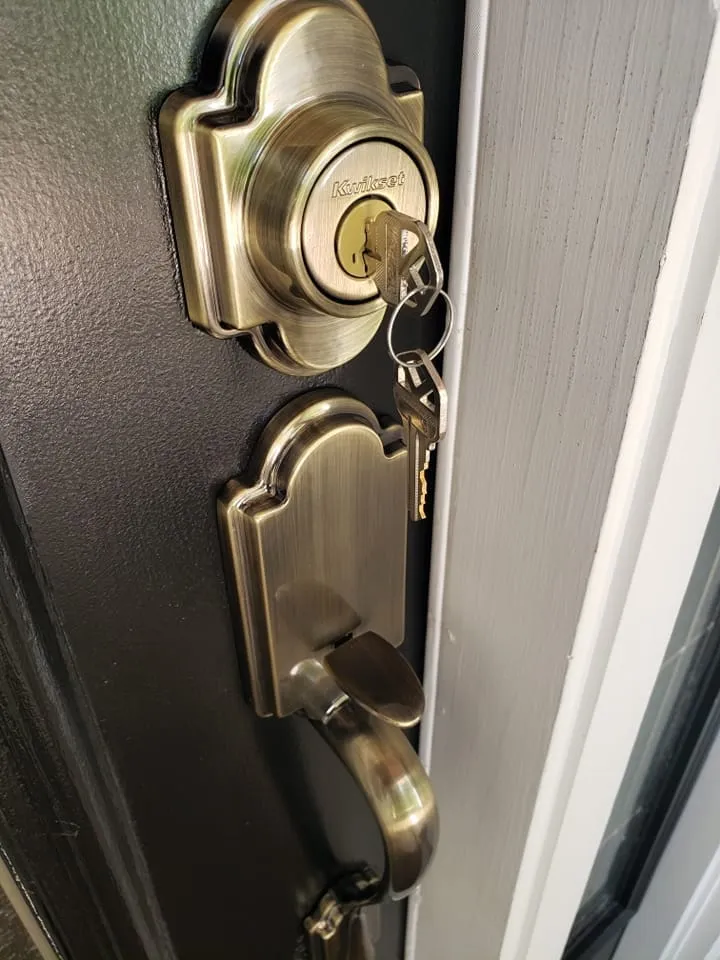
Deadbolt throw length refers to how far the bolt extends out of the lock body when fully engaged. Most residential deadbolts throw one inch, which is the minimum recommended by most security guidelines. Some lower-quality deadbolts throw less, which reduces the amount of bolt material seated inside the strike plate and makes it easier to push back under force.
A full one-inch throw, combined with a properly installed heavy-duty strike plate secured with long screws, creates a much more resistant assembly. If your current deadbolt falls short, it is worth replacing. Our techs can assess your existing hardware and recommend a compatible replacement that fits your door without modifications. The new lock installation page covers the deadbolt options available for Gainesville homes.
How a Front Door Security Tune-Up Works
A tune-up from Be Secure Locksmith is a mobile, on-site service. We come to your Gainesville home and assess the full door assembly from top to bottom. Here is what we check during a typical visit:
- Hinge screw depth and jamb condition
- Strike plate size, screw length, and alignment
- Deadbolt throw length and seating
- Door frame integrity and latch function
After the assessment, we walk you through what we found before any work begins. Most tune-ups involve screw upgrades, strike plate replacement, and minor realignment rather than a full lock swap, which keeps the cost manageable. One Gainesville customer had a multi-lock service completed by our tech Neta, who worked through several tricky issues and got every door functioning properly. You can read more from customers like her on our testimonials page.
Should You Add a Smart Lock to This Upgrade?
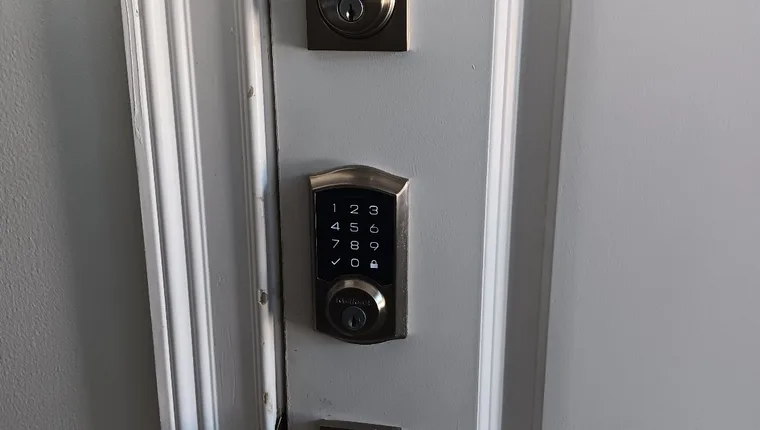
A smart lock is a worthwhile addition to a properly reinforced door, but it does not replace the physical security work described above. Smart locks control access through keypads or apps, but they still rely on the frame, hinges, and strike plate to resist forced entry. Once your door hardware is reinforced, a smart lock adds real convenience. Our techs handle smart lock installation in Gainesville and can pair a new lock with reinforcement work in a single visit.
If you are upgrading multiple entry points, consider combining this work with a rekeying appointment. The benefits of rekeying include:
- Putting all locks on a single key
- Eliminating access from old or copied keys
- Avoiding the cost of replacing every lock
- Completing the work quickly during the same visit
Our lock rekeying service covers this efficiently for Gainesville homeowners after a move or security review.
A Practical, Affordable Step Toward a More Secure Home
Hinges, strike plates, and deadbolt throw length have a larger impact on your home's security than most people realize. Addressing all three together creates a door assembly that is significantly harder to force without requiring a major renovation. Be Secure Locksmith serves Gainesville and the surrounding North Central Florida area with mobile, on-site residential services. Contact us to schedule a front door security tune-up and get a clear picture of what your entry points actually need.
Talk to a local locksmith today
Need a key made, a lockout solved, or new locks? Be Secure Locksmith is your local, mobile locksmith — contact us today or call now for fast, licensed service.