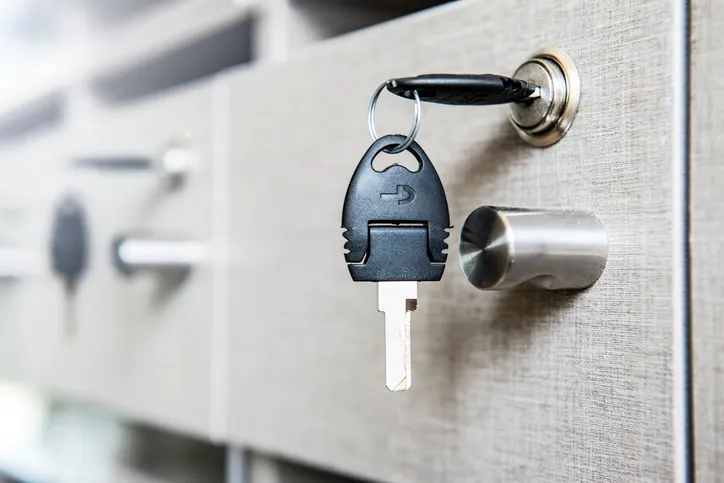
Commercial Rekeying for Tenant Turnover in Ocala, FL: A Practical Door-by-Door Checklist
By Netta Kaiden · Dec 29, 2025 · 5 min read
Every tenant departure leaves a security gap. Keys get copied, employees come and go, and not every key gets returned. Before a new business moves into your Ocala property, whether it is a multi-suite office on SW College Road, a retail space along US-27, or a warehouse unit in Marion County, rekeying every entry point gives you full key control and a clean start for your incoming tenant.
This checklist walks through each entry point category you need to address during turnover so nothing gets overlooked between move-out and move-in.
Why Commercial Rekeying After Tenant Turnover Matters
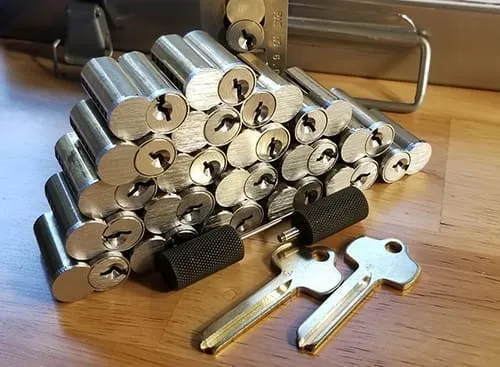
Rekeying changes the internal pin configuration of an existing lock cylinder so that old keys no longer work. It is faster and typically more affordable than replacing the hardware entirely, and it accomplishes the same security goal. For commercial properties in Ocala with multiple suites or shared common areas, this protects the incoming tenant and limits your liability as a property manager.
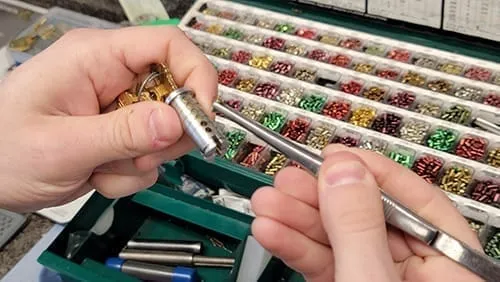
The lock rekeying process is completed on-site without pulling and replacing your existing hardware. We bring the pinning equipment to your location, reconfigure each cylinder, and test the new keys on the spot before wrapping up. If you are managing several units at once, that kind of efficient service keeps your turnover timeline on track.
Which Doors Need to Be Rekeyed During Tenant Turnover?
A common mistake during commercial turnover is rekeying only the main suite entry and assuming everything else is covered. Here is a complete door-by-door breakdown of what to include.
- Primary suite entry door: Every key issued to the departing tenant, their employees, or their contractors should no longer work here.
- Rear and side entry doors: Service entrances and secondary exits are frequently forgotten but are just as accessible to former key holders.
- Storage rooms and utility closets: If the previous tenant had access to interior rooms, those locks need to be rekeyed too.
- Shared common area doors: Lobbies, stairwells, and shared restrooms that use keyed entry should be evaluated, especially if the departing tenant held a common-area key.
- Mailbox locks: If the unit had a dedicated mailbox, that lock should be rekeyed or the cylinder replaced entirely.
- Padlocks and secondary hardware: Exterior gates, dumpster enclosures, or keyed HVAC access panels are easy to overlook but worth checking.
Should You Rekey or Replace Locks During Turnover?
Rekeying is the right call when the existing hardware is in good working condition and you want a cost-effective solution that still delivers full key control. Lock replacement makes more sense when the cylinders are worn, the hardware is damaged, or you are upgrading to a higher-security grade between tenants. Many Ocala property managers use turnover as an opportunity to evaluate each lockset and decide case by case.
If your property runs on a master key system, tenant turnover is also the right time to update that system. Departing tenants should be removed from the key hierarchy, and new tenants should receive only the access levels appropriate to their lease agreement.
What About Interchangeable Core Locks?
Some commercial properties in Ocala use interchangeable core (IC) lock systems, which are designed for fast, tool-free cylinder swaps during high-turnover situations. If your property already has IC hardware installed, tenant turnover becomes significantly faster since core changes can be completed in seconds per door without repinning each cylinder individually.
If you manage a property with frequent turnover and are not yet using this type of hardware, it may be worth discussing the option with us. Interchangeable core locks are a practical upgrade for multi-tenant commercial buildings where rekeying needs to happen quickly and repeatedly. The upfront investment in compatible hardware reduces the labor cost of every future turnover.
How to Coordinate the Rekey With Your Turnover Timeline
Schedule the rekeying after the departing tenant has fully vacated and completed their move-out walkthrough, but before you hand keys to any vendors, contractors, or the incoming tenant. This window keeps your liability low and ensures no one accesses the space on the old key configuration.
When you contact a commercial locksmith in Ocala, have a complete list of doors ready. Include the number of cylinders per door if there are double-cylinder deadbolts, and let your technician know whether you need a fresh set of keys cut or whether you are updating an existing master key system.
Do Not Forget to Update Digital or Keypad Access Points
Many newer commercial properties in Ocala pair traditional keyed entry with keypad codes or card readers. If the departing tenant had access to a digital code or key card, that access needs to be removed during turnover just as urgently as any physical key. Codes should be changed and cards deactivated before the next tenant takes possession.
If your property uses standalone keypads or smart locks alongside traditional hardware, we can reprogram those entry points during the same visit. Smart lock reprogramming is handled on-site so you are not managing two separate service calls to get the full property secured.
Getting the Property Ready for the Next Tenant
A well-executed commercial rekey gives your incoming business a clean security baseline. They know the only keys in circulation are the ones you handed them, and no former key holder can walk in unannounced. That assurance matters to your new tenant and it protects your property.
If you are working through a turnover right now or want to build a reliable rekeying schedule into your standard move-out process, contact Be Secure Locksmith for commercial locksmith service in Ocala. We come to your location with the tools and equipment to rekey, repin, or upgrade every door on your list in a single visit. Contact us to book an on-site visit today.
Talk to a local locksmith today
Need a key made, a lockout solved, or new locks? Be Secure Locksmith is your local, mobile locksmith — contact us today or call now for fast, licensed service.